
VCE Chemistry Tutoring Built Around Your Learning.
Choose private 1-to-1 tutoring or a focused small group class with a maximum of 5 students. BrightStep supports VCE Chemistry Units 1 & 2 and Units 3 & 4.
Get support with difficult concepts, calculations, SAC preparation and final-exam questions in the learning format that best suits the student.
Choose Your Learning Format
Two Ways to Learn VCE Chemistry
Does Chemistry Feel Harder Than It Should?
Sometimes you understand the Chemistry when it is explained in class, but the question changes and suddenly you are not sure how to start.
A calculation might go wrong halfway through, or you might know the idea but not how much detail to include in your written response.

BrightStep helps you find where the problem is, work through it step by step and practise the Chemistry questions that need the most attention.
Students often come to tutoring because they are:
Losing marks in multi-step calculations
Unsure what the question is really asking
Struggling to turn understanding into a clear written response
Forgetting earlier topics when they appear again
Unsure what to revise before an upcoming SAC
Running out of time or repeating the same mistakes
BrightStep helps you find where the problem is, work through it step by step and practise the Chemistry questions that need the most attention.
More Focus. More Questions. More Support.
Large classes are designed to teach many students at the same pace.
At BrightStep, our 1-to-1 and Small Group classes give students more individual attention, more opportunities to ask questions, and more targeted practice.

Small classes. More individual attention.
Choose private 1-to-1 tutoring or a small group with a maximum of five students.
Small classes. More individual attention.
Choose private 1-to-1 tutoring or a small group with a maximum of five students.
Tell us your year level, subject, current challenges and upcoming assessments.
A More Personal Way to Learn VCE Chemistry
Tell us your year level, subject, current challenges and upcoming assessments.
Build Understanding — Then Learn How to Use It
Understanding Chemistry is only the first step. Students also need to know how to apply that understanding to calculations, data, written responses, SACs and exam questions.
Each lesson can combine clear explanations, targeted practice, feedback and assessment preparation. The balance changes depending on what the student needs most.
What Your Tutoring Can Include
Learn, Practise, Apply & Prepare
The BrightStep Chemistry Method
Good tutoring should do more than explain the answer.
It should help the student understand where they became stuck, learn a better approach and then apply that approach themselves.
The aim is to help students become more capable of approaching Chemistry questions independently over time.
Identify
Find the PriorityWe find the current priority.
This might be a concept gap, recurring calculation error, upcoming SAC, weak topic or difficulty interpreting questions.
Explain
Make It ClearWe break the idea into clear, manageable steps and connect it to Chemistry the student already understands.
Practise
Apply the IdeaThe student applies the idea through worked examples and increasingly independent questions.
Correct
Learn From MistakesWe analyse mistakes while they are happening and identify why the answer went wrong — not simply what the correct answer was.
Strengthen
Build IndependenceWe reinforce the weak point and decide what should be revised or practised next.
The aim is to help students become more capable of approaching Chemistry questions independently over time.
What Can a 60-Minute Chemistry Lesson Look Like?
Every lesson is personalised, so the exact structure changes with the student's priorities. A typical lesson might look like this:
If a SAC is approaching or the student needs urgent help with a different topic, the lesson can adapt.
Check and Prioritise
0–10 minReview current understanding, schoolwork, recent mistakes or an upcoming assessment and decide the most useful focus for the lesson.
Explain the Target Concept
10–25 minBreak down the difficult idea, calculation method or question type clearly.
Guided Practice
25–45 minWork through increasingly challenging examples, with questions and feedback throughout.
Independent Application
45–55 minThe student attempts SAC-style or exam-style questions with less guidance.
Review and Next Priority
55–60 minIdentify what improved, what still needs work and what should be revised next.
If a SAC is approaching or the student needs urgent help with a different topic, the lesson can adapt.
From Units 1–4 to SACs & the VCE Exam
BrightStep supports students across VCE Chemistry Units 1 & 2 and Units 3 & 4, as well as preparation for SACs and the VCE Chemistry examination.
Lessons can follow the sequence used by the student's school while focusing on the concepts, calculations, data interpretation and written responses that need the most attention.
Need help with a current topic or upcoming assessment? Your tutoring can focus on what matters most right now.
Book Your Free 30-Minute TrialTell us your year level, current topic and any upcoming SAC or exam date.
Choose the Support You Need
VCE Chemistry Support Across the Year
Need help with a current topic or upcoming assessment? Your tutoring can focus on what matters most right now.
Book Your Free 30-Minute TrialTell us your year level, current topic and any upcoming SAC or exam date.
More Than Simply Explaining the Answer
Students are encouraged to use tutoring for the Chemistry they genuinely need help with.
That might mean reviewing schoolwork, working through a difficult question, preparing for a SAC, revisiting an earlier topic or deciding what to revise next.

Kalpani Anuradha
Head Chemistry Tutor • BrightStep Education
Teaching Philosophy
Chemistry becomes easier to work with when students understand why each step works. BrightStep lessons focus on clear explanations, guided problem solving, questions and feedback so students can become more confident and independent.
Tell us the student's year level, current Chemistry challenges and any upcoming SACs or exams.
Meet Your VCE Chemistry Tutor
Meet Kal, BrightStep's Head Chemistry Tutor. She brings more than 10 years of private Chemistry tutoring experience together with university Chemistry teaching experience in Australia.
Her background combines Chemistry qualifications, university teaching and current doctoral study in Applied Chemistry at RMIT University.
Kalpani Anuradha
Head Chemistry Tutor • BrightStep Education
Tutor Credentials
Chemistry Tutoring
10+ years of private Chemistry tutoring across VCE, HSC and IB Chemistry.
University Teaching
Chemistry teaching experience at RMIT University and James Cook University.
Working With Children Check
Current Victorian WWCC — valid until 17 January 2030.
VCE Chemistry Support
Support across Units 1–4, including calculations, written responses, SAC preparation and exam practice.
Chemistry Qualifications
- PhD Candidate in Applied Chemistry — RMIT University, Melbourne
- MPhil in Chemistry — James Cook University, Australia
- BSc (Hons) in Chemistry — University of Colombo, Sri Lanka
What Progress Can Look Like
Tutoring cannot guarantee a particular SAC grade, study score or ATAR.
What good one-to-one support can work towards is meaningful progress in the skills that contribute to stronger Chemistry performance.
That progress may look like:
Student & Parent Experiences
Real experiences can help parents and students understand what tutoring with BrightStep is actually like.
Hear from students and parents about their experience with Chemistry tutoring, assessment preparation and individual learning support.
What students and parents say:
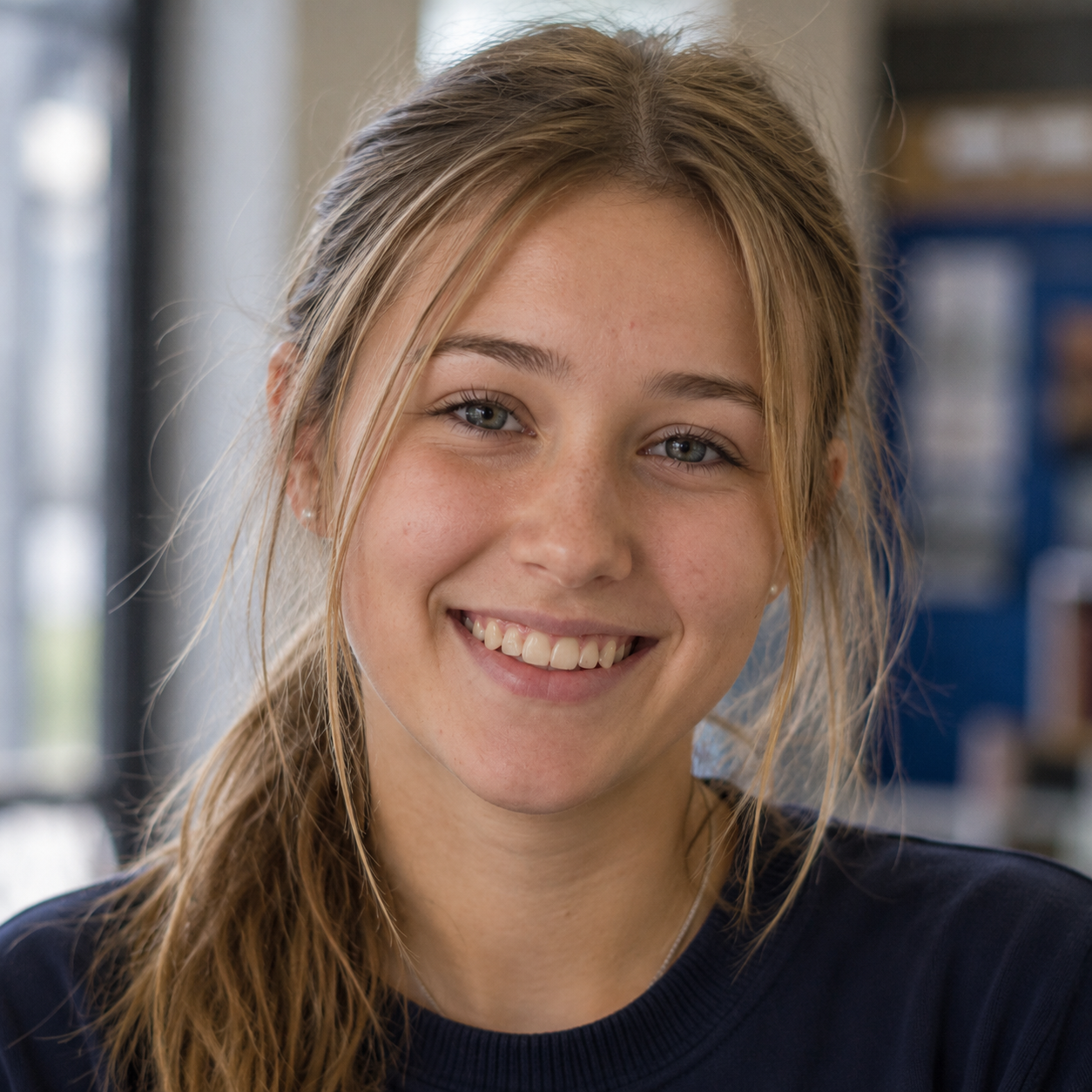
Charlotte Williams
VerifiedMelbourne High School, VIC Year 12 VCE Chemistry Student
Kal explains Chemistry in a way that is really easy to understand. I used to struggle with some of the harder topics, but she breaks everything down step by step and makes sure I understand before moving on.
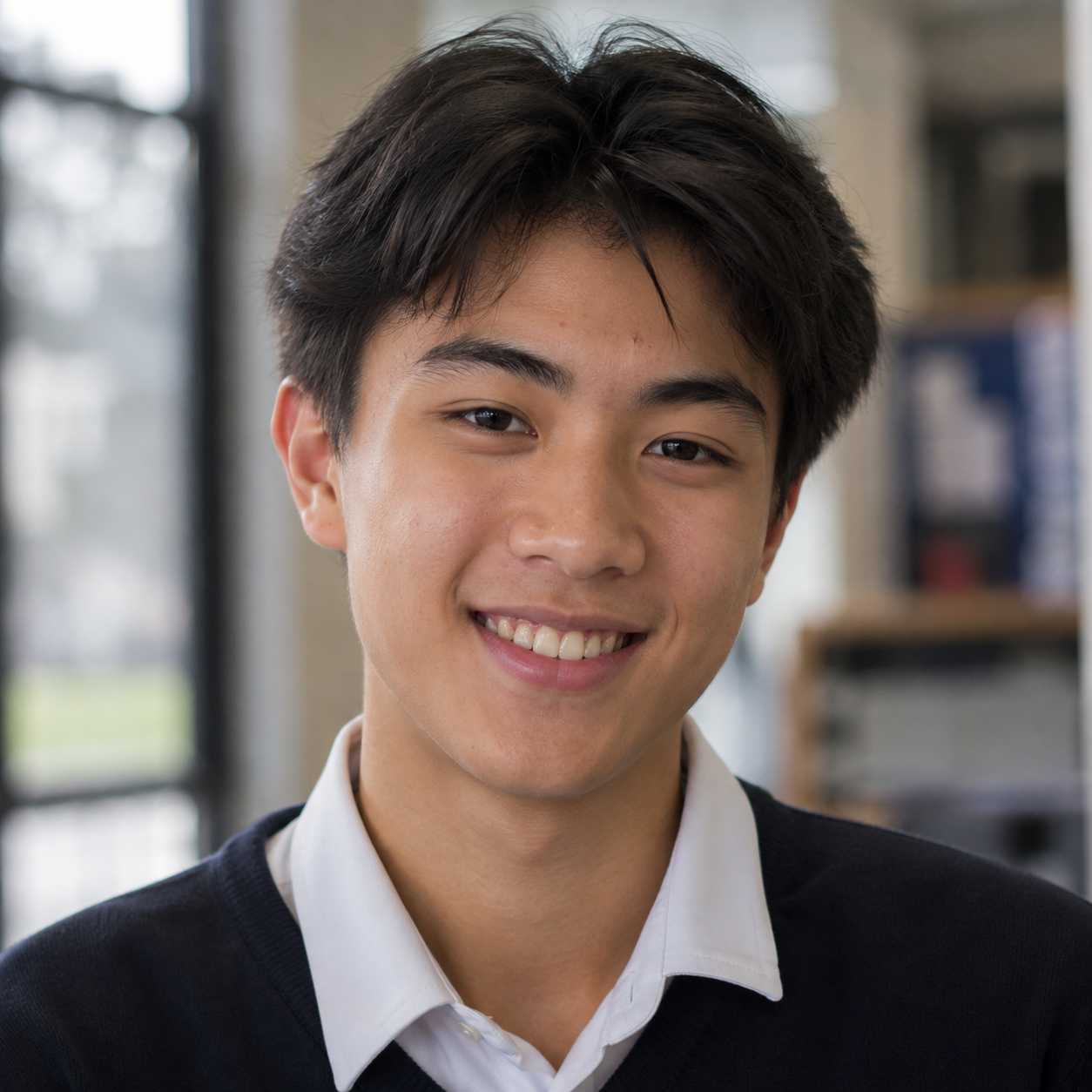
Ethan Nguyen
VerifiedJohn Monash Science School, VIC Year 12 VCE Chemistry Student
I’ve become much more confident in Chemistry since starting lessons with Kal. She is patient, explains everything clearly and gives really useful advice for SACs and exams.

Michelle Chen
VerifiedMac.Robertson Girls’ High School, VIC Parent
Kal is very knowledgeable and supportive. My daughter has become much more confident in Chemistry and now feels far more prepared for her assessments. We are very happy with her progress.
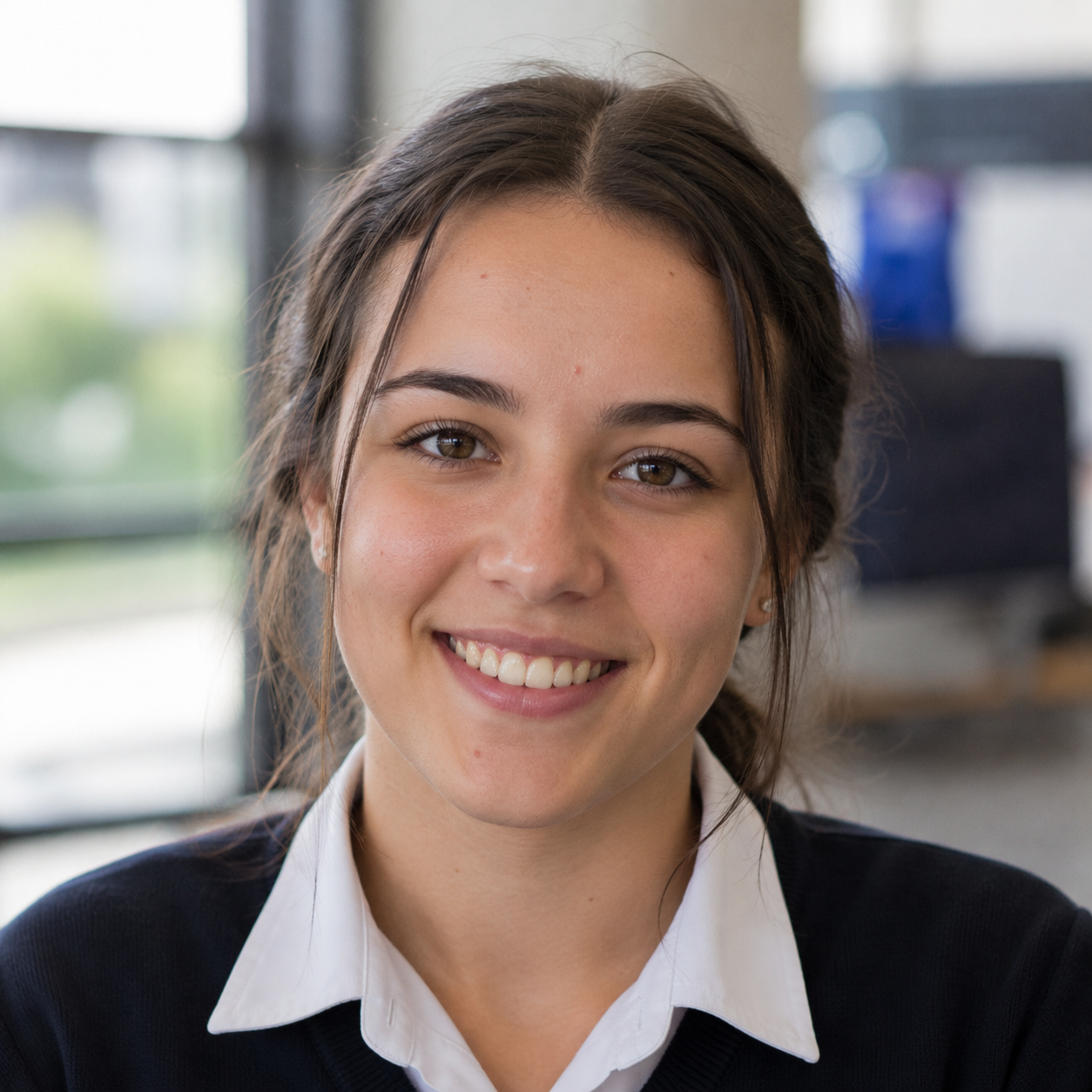
Isabella Thompson
VerifiedNossal High School, VIC Year 12 VCE Chemistry Student
Kal makes difficult Chemistry topics feel much simpler. I really like that I can ask questions freely and she will explain the concept in a different way until I understand it.

Arjun Patel
VerifiedSuzanne Cory High School, VIC Year 12 VCE Chemistry Student
Kal helped me improve both my Chemistry knowledge and the way I answer exam questions. Her lessons showed me exactly what examiners are looking for in a high-quality response.
Sarah Anderson
VerifiedHaileybury, VIC Parent
My son has found Kal’s Chemistry tutoring extremely helpful. She is organised, approachable and explains difficult concepts very clearly. His confidence has improved considerably.
Ananya Sharma
VerifiedGlen Waverley Secondary College, VIC Year 12 VCE Chemistry Student
Organic Chemistry was one of my weakest areas before starting with Kal. She explained the reactions and pathways so clearly that everything finally started to make sense.
Liam O’Connor
VerifiedBalwyn High School, VIC VCE Chemistry Student
Kal’s lessons are very clear and organised. She uses lots of examples and practice questions, which helped me understand how to apply the theory instead of just memorising it.

Priya Kumar
VerifiedBox Hill High School, VIC Parent
We have been extremely pleased with Kal’s tutoring. She communicates well, provides excellent resources and genuinely cares about her students’ progress. I would happily recommend her.
Joshua Lee
VerifiedMelbourne Grammar School, VIC Year 12 VCE Chemistry Student
Chemistry used to be one of the subjects I worried about the most. Kal helped me identify where I was making mistakes and made the difficult topics feel much more manageable.
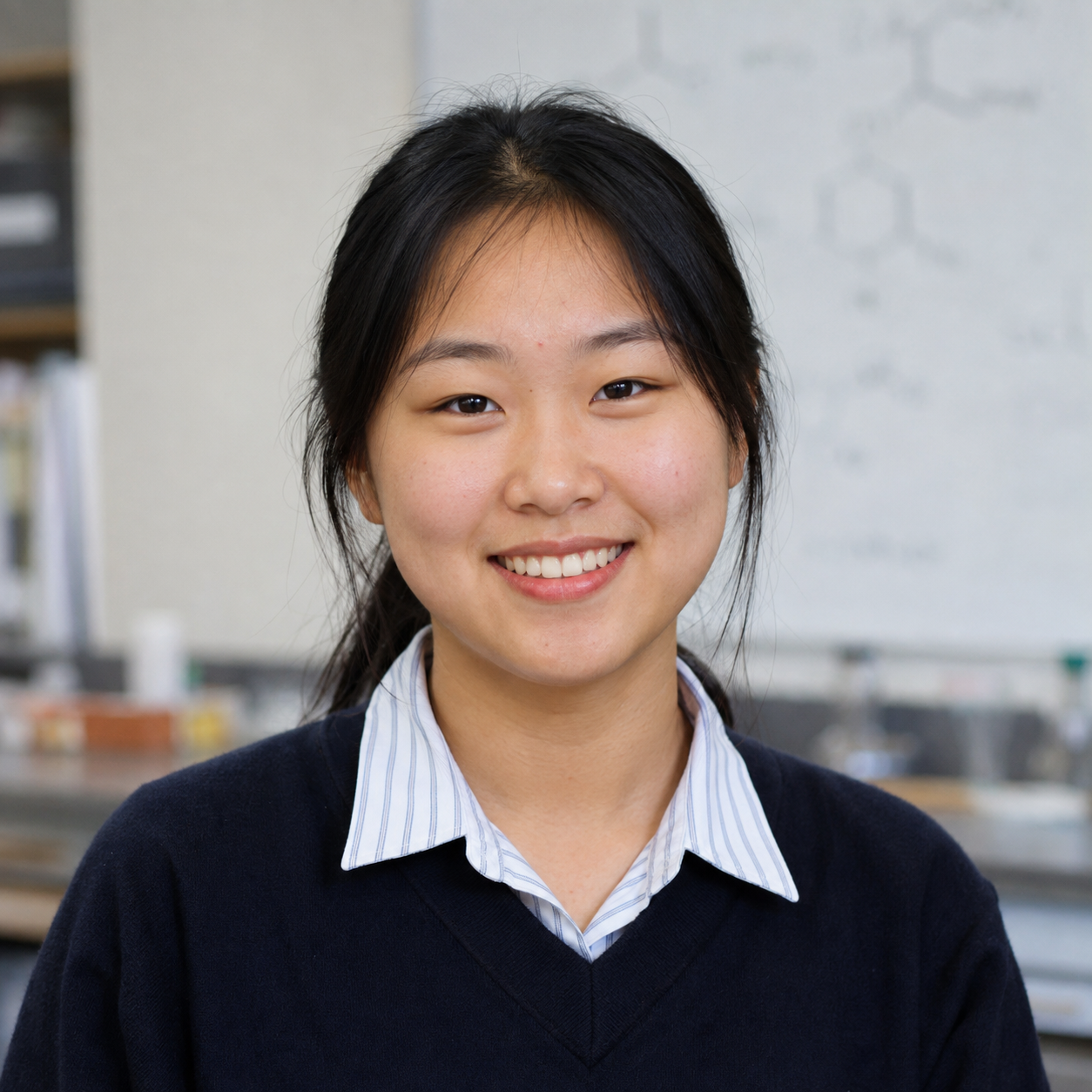
Sophia Zhang
VerifiedMethodist Ladies’ College, VIC Year 12 VCE Chemistry Student
Kal is really good at explaining complicated Chemistry concepts using simple language. Her lessons helped me connect different topics together and made revising for SACs much easier.

Rebecca Wilson
VerifiedCaulfield Grammar School, VIC Parent
My daughter always finishes Kal’s lessons feeling more confident. Kal is patient, encouraging and very knowledgeable about VCE Chemistry and the type of questions students face in assessments.

Dylan Perera
VerifiedBrentwood Secondary College, VIC Year 12 VCE Chemistry Student
Kal helped me so much with equilibrium, calculations and electrochemistry. She explains every step clearly and gives enough practice so that you can confidently solve the questions yourself.
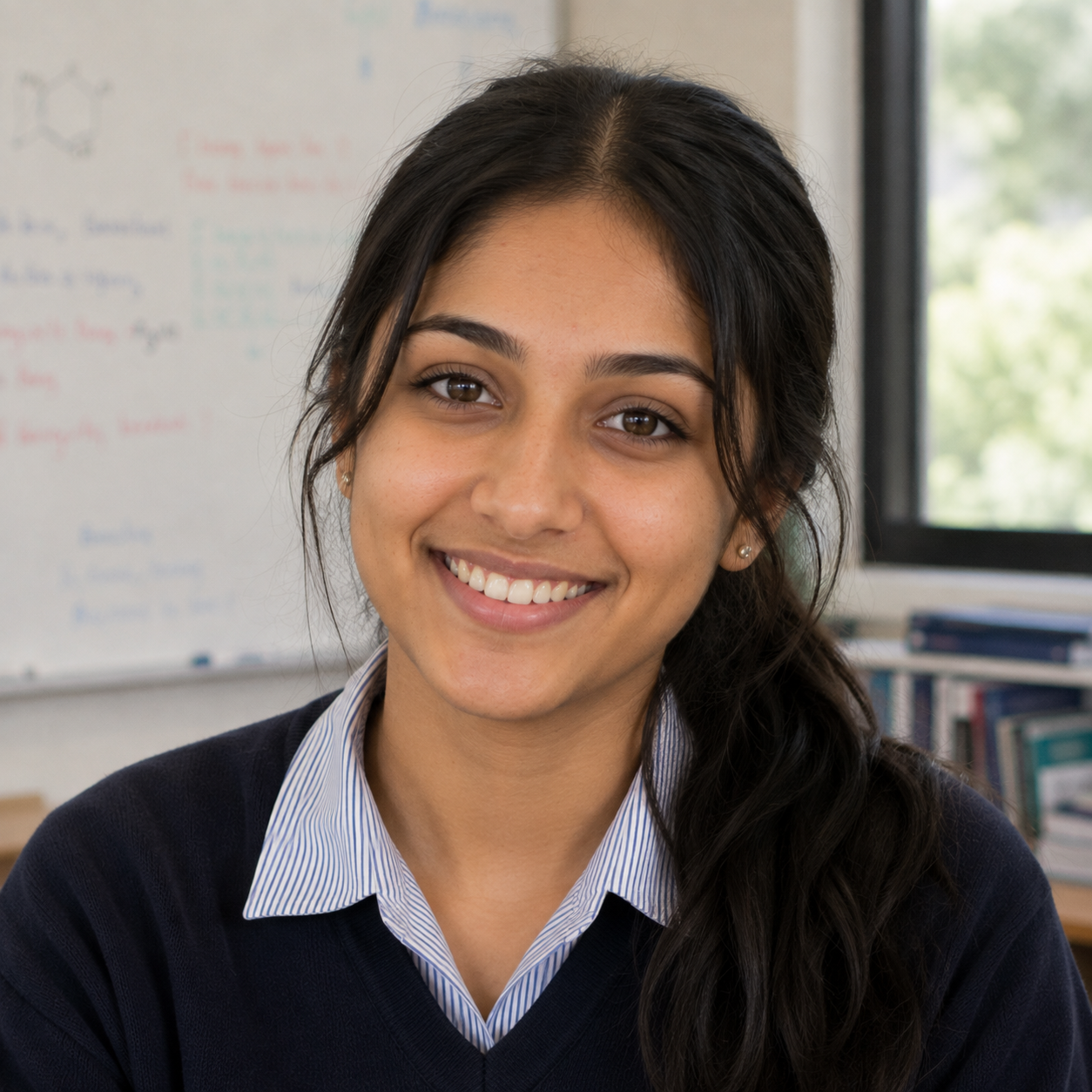
Aisha Rahman
VerifiedEast Doncaster Secondary College, VIC Year 12 VCE Chemistry Student
I would definitely recommend Kal for VCE Chemistry. She is friendly, easy to talk to and explains everything very clearly. Her tutoring has made me feel much more prepared and less stressed about Chemistry.
Getting Started Is Simple
You do not need to know exactly what the tutoring plan should look like before getting in touch. Start by telling us where the student is up to and what they would most like help with.
Tell Us What You Need
EnquireLet us know whether the student is studying Units 1 & 2 or Units 3 & 4, what they are currently finding difficult and whether an assessment is coming up.
Start With the Highest-Priority Areas
FocusTutoring begins by identifying what the student understands, where the gaps are and what would be most useful to work on first.
Keep Adapting the Lessons
ProgressAs school topics, SACs and revision priorities change, the tutoring focus can change with them.
Ready to get started? Tell us what the student needs help with.
Enquire About VCE Chemistry Tutoring →VCE Chemistry Tutoring FAQs
Find answers to the questions students and parents ask most about BrightStep VCE Chemistry tutoring from lesson options and VCAA-aligned support to SAC preparation, progress and scheduling.
Fees, Trial & Lesson Options
How much does VCE Chemistry tutoring cost, and what lesson options are available?
Private 1:1 VCE Chemistry tutoring is $60 per hour. Small-group tutoring is $40 per hour per student, with a maximum of 5 students so students still have opportunities to ask questions and receive support.
How long are lessons, and is there a free trial?
1:1 lessons can be 1 or 2 hours, depending on the student's needs. Small-group classes are 2 hours. BrightStep also offers a free 30-minute trial class so students can experience the tutoring before getting started.
Personalised Learning & Catch-Up Support
What happens during a 1:1 VCE Chemistry lesson?
The lesson is based on what the student needs most. The tutor can check understanding, identify gaps, explain difficult concepts step by step, work through examples, practise questions and provide feedback before deciding what should be worked on next.
Students are encouraged to ask questions throughout the lesson.
Can tutoring help if I am behind in Chemistry?
Yes. Tutoring can support students who need to rebuild foundations or catch up on difficult topics, as well as students who are already performing well and want more challenging questions, greater accuracy and stronger SAC and exam preparation.
Lessons can be adjusted to the student's current level and goals.
SAC & Exam Preparation
Can BrightStep help with VCE Chemistry SACs and the final exam?
Yes. Lessons can focus on both SAC preparation and the final VCE Chemistry examination .
Support may include revising key concepts, calculations, data interpretation, written responses, exam-style questions, identifying common mistakes and developing better approaches to answering questions under assessment conditions.
Can we focus mainly on an upcoming Chemistry SAC or exam?
Yes. If a student has an assessment approaching, lessons can be prioritised around the relevant topics and skills.
Students can bring their school material, revision questions and areas they are unsure about so the available lesson time can be used efficiently.
Can you explain why I lost marks and show me how to improve my answers?
Yes. Students can bring marked SACs, tests or practice questions to the lesson.
The tutor can review the student's working and written responses, identify where marks were lost and explain how calculations, reasoning and written answers could be improved.
VCE Curriculum & Chemistry Topics
Which VCE Chemistry units do you teach, and do lessons follow the VCAA Study Design?
BrightStep supports VCE Chemistry Units 1, 2, 3 and 4. Lessons follow the current VCE Chemistry Study Design and can be matched to the topics the student is currently studying at school.
What VCE Chemistry topics can you help with?
Students can receive support across the VCE Chemistry course, including chemical structure and bonding, quantitative chemistry and stoichiometry, water chemistry, acid-base and redox reactions, energy and electrochemical cells, rates and equilibrium, electrolysis, organic chemistry, chemical analysis, data interpretation and scientific investigations.
Students can also bring a particular topic from school that they find difficult and focus the lesson on that area.
Resources, Homework & Parent Progress
Do students receive homework and VCE Chemistry learning resources?
Yes. BrightStep provides homework to reinforce lesson content and short notes to support learning and revision .
When preparing for SACs and exams, lessons can also include relevant practice and exam-style questions so students can apply what they have learned.
How do parents know whether their child is progressing?
Parents can receive feedback from the tutor about the student's progress, strengths and areas that still need attention.
This helps parents understand what the student is working on and where further support may be useful.
Scheduling, Location & Policies
When should a student start VCE Chemistry tutoring, and how often should they attend?
Students can start whenever they feel they need additional support — whether they are beginning VCE Chemistry, falling behind, finding a particular topic difficult or preparing for a SAC or exam.
Most students attend 1 or 2 lessons per week, depending on their goals, school workload and upcoming assessments.
Is VCE Chemistry tutoring available online or face-to-face?
Yes. BrightStep offers both face-to-face VCE Chemistry tutoring and online tutoring via Zoom.
Students can choose the option that works best for their location and schedule.
What happens if we need to reschedule a lesson?
If you need to reschedule a class, please provide at least one week's notice wherever possible.
For questions about a particular lesson or schedule, contact BrightStep directly.
Still have a question?
Tell us what the student is currently studying, what they are finding difficult and whether they need ongoing support or help with an upcoming SAC or exam.
VCE Chemistry Tutoring Built Around Your Learning.
Tell us the student's year level, current Chemistry challenges and any upcoming SACs or exams.